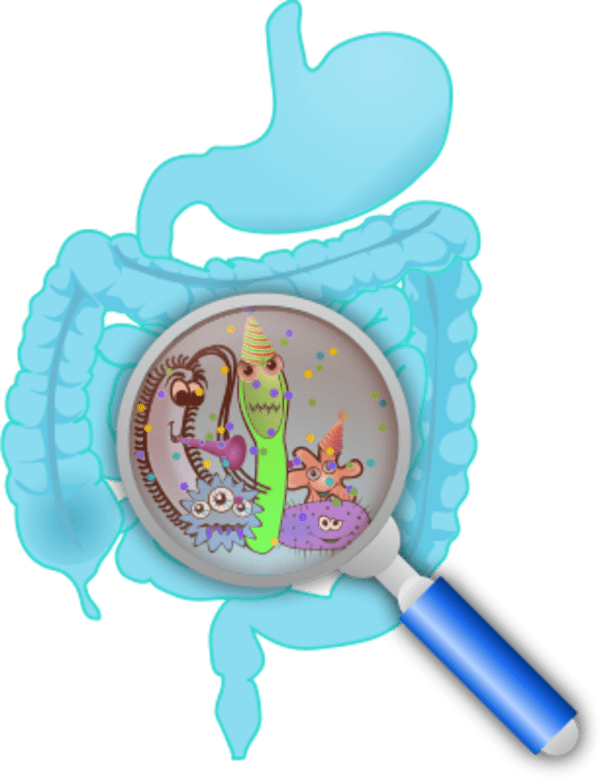
As described in a previous blog post, humans are microbial beings that have maintained a reciprocal relationship with microbes for centuries. Microbes—both harmful and beneficial—are found in and on the human body and have even shaped human genetic variability. While most people have heard of prebiotics and probiotics, the world of biotics involves much more. By the end of this blog, you should better understand prebiotics, probiotics, synbiotics, postbiotics, cobiotics, and their roles in human health.
Human health is contingent on maintaining a healthy microbiome anywhere these microbes exist—in the gut, on the skin, in the reproductive tract, etc. Too many harmful microbes in comparison to healthy microbes is called dysbiosis and can trigger a cascade of events that increases the likelihood of many diseases.
Prebiotics
Prebiotics are substances, primarily undigestible carbohydrates, that stimulate the growth of beneficial bacteria and fungi by serving as food, or nutrients, for beneficial microbes. By doing so, they improve the health of the host. Most of these prebiotics fall within the groups of fructo-oligosachharides (FOS), galacto-oligosaccharides, starch, and glucose-derived oligosaccharides. Prebiotics are fermented by beneficial bacteria in the colon to produce short-chain fatty acids (SCFAs) and other byproducts. These SCFAs have beneficial effects on health including improving gut barrier integrity and function, modifying glucose and lipid metabolism, aiding immune responses, and supporting a healthy inflammatory response.
Probiotics
The word probiotic comes from the Greek word meaning “for life.” Probiotics are healthy bacteria that confer a health benefit to the host. They do so by hindering pathogenic microbes, enhancing intestinal barrier function, aiding immune responses, manufacturing neurotransmitters, manufacturing SCFAs, facilitating vitamin creation, and affecting neuroendocrine function. The seven core genera of bacteria used in dietary supplements are Lactobacillus, Bifidobacterium, Saccharomyces, Streptococcus, Enterococcus, Escherichia, and Bacillus. Research shows that probiotics can help with a variety of conditions, including diarrhea, inflammatory bowel disease, irritable bowel syndrome, eczema, high cholesterol, obesity, and more.
Synbiotics
A combination of prebiotics and postbiotics, synbiotics are used to enhance the survivability and colonization of probiotics in microhabitats. It refers to the concept of synergism, where the sum of two or more parts is greater than the sum of the separated parts. Evidence suggests that synbiotics positively influence the human microbiome and play a role in preventing or alleviating many ailments. Among the many proven benefits, synbiotics may improve digestion and metabolism, promote weight loss, enhance mental health, optimize immune function, improve heart health, and reduce inflammation.
Postbiotics
The term postbiotic refers to non-living byproducts produced after probiotics ferment prebiotics that confer a health benefit to the host. More than leftover waste products, these microorganisms have functional bioactive compounds. Postbiotics could be whole microbial cells of components of the cells. Healthy postbiotics include B vitamins, vitamin K, amino acids, butyric acid, SCFAs, and antimicrobial peptides. Emerging research proposes that postbiotics confer benefits such as supporting a healthy inflammatory response, aiding immune function, preventing infections, supporting cardiovascular health, encouraging healthy autophagy (a natural cellular cleanup process that removes unnecessary and dysfunctional components), and accelerating wound healing. Some experts suggest that postbiotics may provide similar therapeutic benefits to probiotics with greater stability and less risk to people with compromised immune systems.
Cobiotics (Bacteriophages)
Often called cobiotics, bacteriophages (or simply phages) are viruses that infect and replicate only in bacterial cells. It is estimated that over 1000 phage particles exist on the planet. These microbes are very species-specific and usually only infect a single bacterial species or even specific strains within a species. Once inside a host, bacteriophages attach to cells and hijack the bacteria’s internal cellular structures to reproduce phage proteins. These microbes are proficient at attacking and destroying pathogens, making some experts believe they can be used to manage bacterial infections without the side effects commonly associated with antibiotics. A few examples of bacteriophages include T4 (Escherichia virus T4), M13 (Escherichia virus M13), λ (Coliphage, Escherichia virus lambda), and T2 (Enterobacteria phage T2). Fortunately, it is extremely hard to find any reports of side effects or adverse effects of consuming biotics. That is because we consume them all the time in our foods, and we have formed a symbiotic relationship with many microbes over centuries. The exciting part about biotics is that they represent promising ways to maintain and restore human health, as well as prevent disease.