
In recent years, the popularity of various dietary approaches has soared as people seek healthier lifestyles, weight management, and improved overall well-being, and an endless number of influencers peddle their favorite eating pattern. Among the most discussed diets are Vegan, Paleo, Keto, and Carnivore. Each of these diets has its unique principles, benefits, and potential risks that should be considered before implementing them. This blog post explores these four popular diets, detailing what they consist of and examining the scientific evidence behind their benefits and risks.

Vegan Diet
Overview. The Vegan diet is a plant-based diet that excludes all animal products, including meat, dairy, eggs, and honey. Instead, it focuses on fruits, vegetables, grains, legumes, nuts, and seeds.
Benefits
- Improved Heart Health: Research suggests that vegan diets are associated with lower blood pressure, cholesterol levels, and a reduced risk of heart disease. The high fiber and antioxidant content in plant-based foods support cardiovascular health.
- Weight Management: Many people adopt a vegan diet for weight loss or maintenance. Plant-based diets tend to be lower in calories and higher in fiber, which can help with satiety and calorie control. Research reports a correlation between plant-based diets and improved body weight in some groups of people.
Risks
- Nutrient Deficiencies: Vegans may be at risk for deficiencies in certain nutrients typically found in animal products, such as vitamin B12, iron, calcium, vitamin D, zinc, and omega-3 fatty acids. (Reference) Supplementation or careful planning is necessary to avoid these deficiencies.
- Protein Intake: While it’s possible to get enough protein on a vegan diet, (Reference) it requires careful selection of protein-rich plant foods like legumes and quinoa. Some individuals may struggle to meet their protein needs, especially athletes.

Paleo Diet
Overview. The Paleo diet, also known as the “Caveman Diet,” is based on the eating patterns of our Paleolithic ancestors. It emphasizes whole foods like lean meats, fish, fruits, vegetables, nuts, and seeds while excluding processed foods, grains, dairy, legumes, and refined sugar.
Benefits
- Weight Loss: The Paleo diet is naturally low in processed foods and sugars, which can contribute to weight loss according to research. It also encourages the consumption of nutrient-dense, satiating foods that help control hunger.
- Blood Sugar Control: By eliminating refined sugars and grains, the Paleo diet may modestly improve blood sugar regulation and reduce the risk of type 2 diabetes. (Reference)
- Anti-Inflammatory Effects: Paleo emphasizes whole, unprocessed foods, many of which have anti-inflammatory properties. This can be beneficial for reducing chronic inflammation and associated health conditions. (Reference)
Risks
- Nutrient Imbalance: The exclusion of dairy, grains, and legumes can lead to potential nutrient insufficiencies, particularly in calcium, iodine, and fiber. Careful planning is required to ensure a balanced intake of essential nutrients. (Reference, Reference)
- Sustainability: Some people find the restrictive nature of the Paleo diet challenging to maintain long-term. Social situations and the cost of high-quality meats and organic produce can also be barriers.

Keto Diet
Overview. The Ketogenic (Keto) diet is a high-fat, low-carbohydrate diet designed to shift the body into a state of ketosis, where it burns fat for fuel instead of carbohydrates. The typical macronutrient breakdown is around 70-75% fat, 20-25% protein, and 5-10% carbohydrates.
Benefits
- Weight Loss: The Keto diet has some research showing it to be effective for weight loss, particularly in the short term. Ketosis helps the body burn fat more efficiently, leading to rapid weight loss for some individuals.
- Blood Sugar Control: The low carbohydrate intake can help stabilize blood sugar levels and improve insulin sensitivity, making the Keto diet a potential option for people with type 2 diabetes or prediabetes. (Reference)
- Neurological Benefits: Emerging, but limited, evidence suggests that the Keto diet may have neuroprotective effects and could be beneficial for conditions like epilepsy, Alzheimer’s disease, and Parkinson’s disease.
Risks
- Nutrient Deficiencies: The strict limitation of carbohydrates can result in deficiencies in essential nutrients, such as fiber, certain vitamins (e.g., vitamin C), and minerals (e.g., potassium and magnesium). (Reference) Long-term adherence requires careful planning.
- Keto Flu: Some individuals experience flu-like symptoms—headache, fatigue, and constipation—during the initial transition into ketosis, known as the “Keto flu.” (Reference)
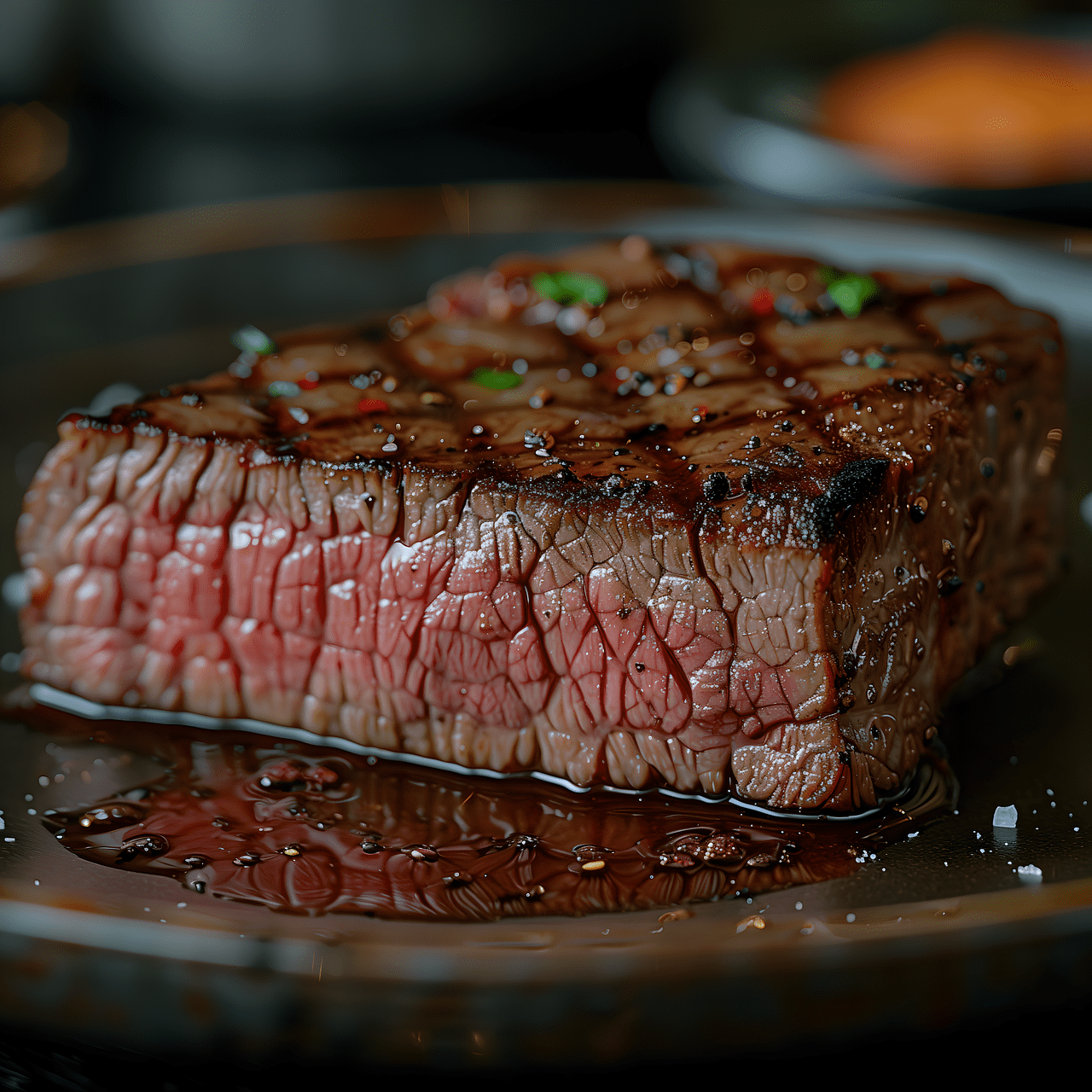
Carnivore Diet
Overview. The Carnivore diet is an extreme form of the low-carb diet, consisting exclusively of animal products—primarily meat, fish, eggs, salt, and some dairy. It completely eliminates plant-based foods.
Benefits
- Better forms and more bioavailable nutrients: Meats tend to have the more active and bioavailable forms of nutrients when compared to plants. Examples include vitamin D3 versus D2, heme iron versus non-heme iron, and vitamin K2 versus K1.
- Inflammation and Pain Reduction: Advocates of the Carnivore diet claim that eliminating all plant foods, which can contain antinutrients (e.g., oxalates in spinach, phytic acid in legumes, goitrogens in cruciferous veggies, and lectins in grains) and allergens, helps reduce inflammation and alleviate conditions like autoimmune disorders and chronic pain. While large-scale clinical trials to support this assertion are lacking currently, potential mechanisms through which the carnivore diet might reduce pain and inflammation include: elimination of pro-inflammatory anti-nutrients in plants and improved gut health.
- Potential Weight Loss: Like the Keto diet, the Carnivore diet can lead to weight loss due to ketosis and reduced overall calorie intake; as well as reduced consumption of processed carbohydrates. (Reference)
Risks
- Nutrient Deficiencies: The Carnivore diet is highly restrictive and can lead to deficiencies in vitamins and minerals typically found in plant foods, such as vitamin C, fiber, and various phytonutrients. These deficiencies can have serious long-term health consequences. (Reference)
Conclusion
Each of these diets—Vegan, Paleo, Keto, and Carnivore—has its unique benefits and risks. The choice of diet should be based on individual health goals, nutritional needs, and lifestyle preferences. It’s essential to approach any dietary change with a well-informed perspective, considering both the potential benefits and the risks.
Before starting any new diet, it’s advisable to consult with a healthcare provider or an informed nutritionist to ensure that the chosen diet meets your nutritional needs and supports your overall health. While these diets can be effective for some individuals, they are not one-size-fits-all solutions, and what works for one person may not work for another. Additionally, most of these eating patterns are not ones that you would continue long-term. Humans are designed to be omnivores (Reference) and the most important factor is to eat as much fresh, local, and unprocessed food as possible. Ultimately, the best diet is one that you can maintain long-term, provides all the necessary nutrients, and supports your overall well-being.