Health professionals, scientists, and world leaders are growing increasingly concerned as bacteria continue to build resistance to front-line antibiotics at an alarming rate. This concern was brought to the forefront by Professor Mark Woolhouse, of the University of Edinburgh, and Dr. Jeremy Farrar, director of the Wellcome Trust, at a 2014 event hosted by the Royal Society in London. During the even Woolhouse and Farrar outlined the need for a rapid and immediate global response to the superbug crisis in order to prevent simple infections from becoming deadly.
In addition to presenting their recommendations at the event, the study authors published their commentary on this frightening crisis online May 22, 2014, in the journal Nature.(1) In this study, the authors point out that overuse and misuse of antibiotics in humans and animals has fueled a rapidly accelerating fire of antibiotic resistant germs. The authors specifically mention physician’s go-to drugs for Salmonella typhi (a bacterium that causes typhoid), Mycobacterium tuberculosis (a bacterium that causes tuberculosis), methicillin-resistant Staphylococcus aureus (a bacterium associated with pneumonia, heart, bone, would, organ, joint, and bloodstream infections), multidrug-resistant Escherichia coli (a bacterial cause of diarrhea, anemia, and kidney failure), and Klebsiella pneumoniae (a cause of bacterial meningitis) are now largely ineffective.
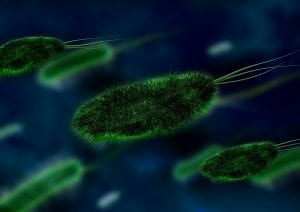
The number of “Superbugs,” or bacteria that have adapted to become resistant to treatment with first-line antibiotics, has been growing at such a rapid pace that the treatment of many infectious diseases is reliant on only one or two drugs. Some strains of infections have even become resistant to all known classes of drugs. And without a viable remedy for superbugs, many current medical and surgical procedures would be impossible to perform and potentially deadly. This all adds up to a serious threat to public health.
These facts led the study authors to recommend the formation of a global organization to direct an international response. They assert that without a united effort to this worldwide concern one country’s actions could have universal ramifications. For example, the use of antibiotics is increasing in most developing countries due to unregulated, over-the-counter sales of antimicrobials of all kinds according to the authors. It’s no surprise that nations with the strictest policies on antibiotic prescriptions (Scandinavian countries) have the lowest superbug rates. The study authors further state that the international response to the crisis thus far has been meager and ineffective.
According to the study, the development of new therapies should be accelerated to prevent further resistance and combat existing superbugs. Mounting evidence suggests that the superhero of the superbug crisis may be pharmaceutical-grade essential oils. These potent botanical extracts possess substantial antibacterial properties — including against drug-resistant strains — proven by numerous studies.
While scientific research surrounding the ability of essential oils to kill and prevent the spread of superbugs is continuing to accumulate, the medical community has been reluctant to integrate natural alternatives to combat this alarming crisis. Most of this boils down to money. Natural essential oils are not patentable, and therefore don’t provide windfall profits to greedy pharmaceutical companies. Because of this they continue to search for molecules they can isolate from plants and synthesize in a lab to create new drugs, rather than embrace the viable option right in front of their face.
Even more important than killing superbugs, evidence suggests that these menacing microbes are not able to adapt to essential oils and become resistant. This is largely due to the fact that essential oils naturally have varying percentages of the dozens to hundreds of constituents they contain. Therefore, the superbug is not exposed to an identical essential oil each time, thwarting its ability to adapt. Quite the opposite is true with synthetic drugs that produce the same molecular structure consistently, allowing for easy adaptation by bacteria.

A July 2012 study published in the journal Expert Review of Anti-Infective Therapy concluded that according to published research essential oils and their constituents are effective against many species of resistant bacteria.(2) Another study from the June 2013 edition of the Journal of Cranio-maxillo-facial Surgery reported that some common essential oils (lemongrass, tea tree, and eucalyptus) are consistently effective against multi-resistant bacteria associated with hospital-acquired infections.(3) This last fact is crucial for life-saving surgeries and procedures to be performed without acquiring a secondary infection that could be lethal. Other studies suggest that certain essentials oils could potentiate the action of antibacterial drugs when used concurrently.
Scientific research suggests that eucalyptus, cinnamon, lemongrass, oregano, tea tree, thyme and other essential oils warrant further investigation as potent antibacterial agents to prevent the further spread of superbugs. These clinically significant essential oils should be immediately employed in healthcare settings to combat the superbug crisis, and individuals should regularly use these essential oils to cleanse their environment and bodies.
Until the medical community, world leaders and scientists embrace these proven remedies the world will continue to travel down the path towards scraped knees becoming deadly. Get your essential oils ready and be prepared to survive when modern medicine fails.
(1) Woolhouse M, Farrar J. Policy: An intergovernmental panel on antimicrobial resistance. Nature. 2014 May 29;509(7502):555-7.
(2) Kon KV, Rai MK. Plant essential oils and their constituents in coping with multidrug-resistant bacteria. Expert Rev Anti Infect Ther. 2012 Jul;10(7):775-90.
(3) Warnke PH, Lott AJ, Sherry E, et al. The ongoing battle against multi-resistant strains: in-vitro inhibition of hospital-acquired MRSA, VRE, Pseudomonas, ESBL E. coli and Klebsiella species in the presence of plant-derived antiseptic oils. J Craniomaxillofac Surg. 2013 Jun;41(4):321-6.